Messages
Aiming to cultivate “co-creative designers”
who can contribute to a sustainable,
well-being-oriented society
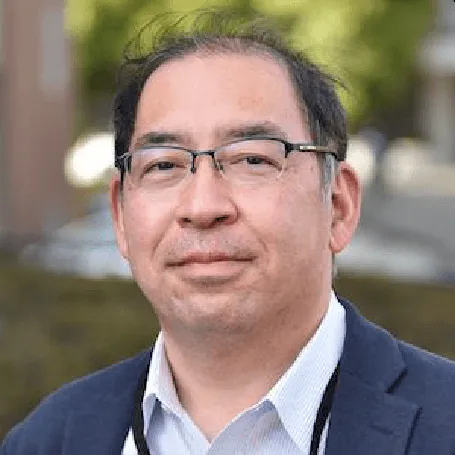
Interdisciplinary Centre for River Basin Environment /Professor
Hiroshi Ishidaira
Challenges Facing Sub-Saharan Africa
Sub-Saharan Africa (Target country: the Republic of Ghana) is undergoing rapid population growth and socio-economic transformation, while simultaneously facing persistent challenges related to environmental degradation, water and sanitation, and infectious diseases. These challenges are closely interconnected and directly affect human well-being. Although the Sustainable Development Goals (SDGs) have guided global efforts since 2015, their sector-based structure and target-oriented approach have not fully addressed complex, human-centered sustainability issues. As the world moves toward the post-2030 agenda, there is an urgent need for a new framework that integrates environmental sustainability with human well-being.
The Advancement of SWGs and the Shortage of Experts
In response, the Ministry of Foreign Affairs of Japan’s Advisory Panel on Sustainability has proposed key directions for post SDGs, "Enhancing the well-being of each individual" and "Japan serving as a bridge to the Global South". Furthermore, within discussions on post SDGs, the concept of “Sustainable Well-being Goals (SWGs)” has been proposed, emphasizing the enhancement of individual well-being while maintaining environmental and social sustainability. However, realizing SWGs requires professionals who can understand regional characteristics, integrate multiple fields, and propose practical solutions through co-creation with stakeholders. Currently, there are still a few experts possessing such interdisciplinary and international perspectives, and an effective educational model for cultivating such talent has yet to be established.
Establishing a New Educational Model
From this perspective, this program forms an international consortium led by the University of Yamanashi, with Kitasato University and the University of Ghana, to establish a new education model for SWGs-oriented human resource development in the Sub-Saharan region. By complementarily utilizing each institution’s strengths in river basin environmental management, public health and infectious disease research, and international education, the program aims to cultivate “Co-creative Designers” with the following capabilities to contribute to sustainable, well-being-oriented society.

Advanced knowledge in environmental management and public health
The capacity to empathize and resonate with people from different backgrounds to apply specialized knowledge and technology.
The ability to propose solutions to problems and improve well-being, and to contribute to the realization of SWGs society
Program Structure
The program consists of three integrated components: 1) Cooperative (co-supervised) degree program at the master’s and doctoral levels, 2) Short-Term Exchange Program mainly for undergraduate students, and 3) Faculty and Staff Training Program to ensure long-term sustainability of educational work. Through a hybrid educational approach combining joint seminars, laboratory training, and field-based research in Ghana and Japan, students will engage directly with real societal challenges and develop interdisciplinary problem-solving skills.
-
Cooperative (co-supervised)
degree program- Eligibility
- NM.S. & Ph.D Studentsews
- Number of students
- ~ 5 students/year from JP/GH
- Content
-
- Online/in-person lectures, seminars
- Lab. stays
- Co-supervision of MS/PhD thesis
- Online Degree Presentation
※Non-degree (course registration)Students:Certificates of completion issued per course
-
Short-term
Exchange Program- Eligibility
- (Primarily) Undergrad. Students
- Number of students
- ~ 8 students/year from JP/GH
- Content
-
- Fieldwork
- Group discussions
- Exchange events, etc.
-
Faculty and Staff Training
- Eligibility
- Young faculty, administrative staff
- Number of participants
- A few / year from JP/GH
- Content
-
- School visit
- Info. exchange regarding administrative systems
- Online training
In Conclusion
Through this program, participants are expected to grow into globally competent professionals with strong international awareness, interdisciplinary expertise, and practical implementation ability, capable of designing and executing solutions for sustainable well-being. Furthermore, we will promote the dissemination of the developed educational methods and contents both within and outside the university, while aiming to expand an international educational exchange network across all Sub-Saharan countries in the medium to long term.